


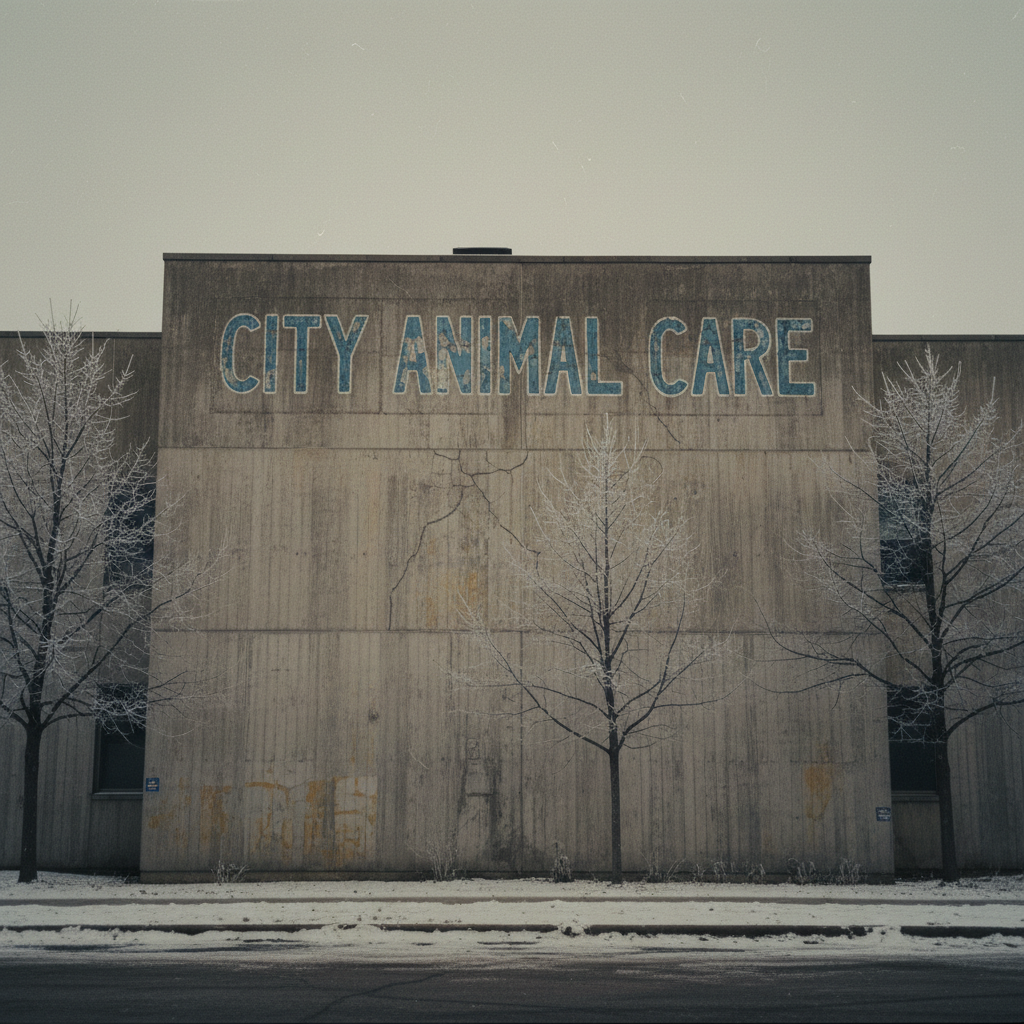
A dog named Biscuit, a borrowed chain, and a promise.
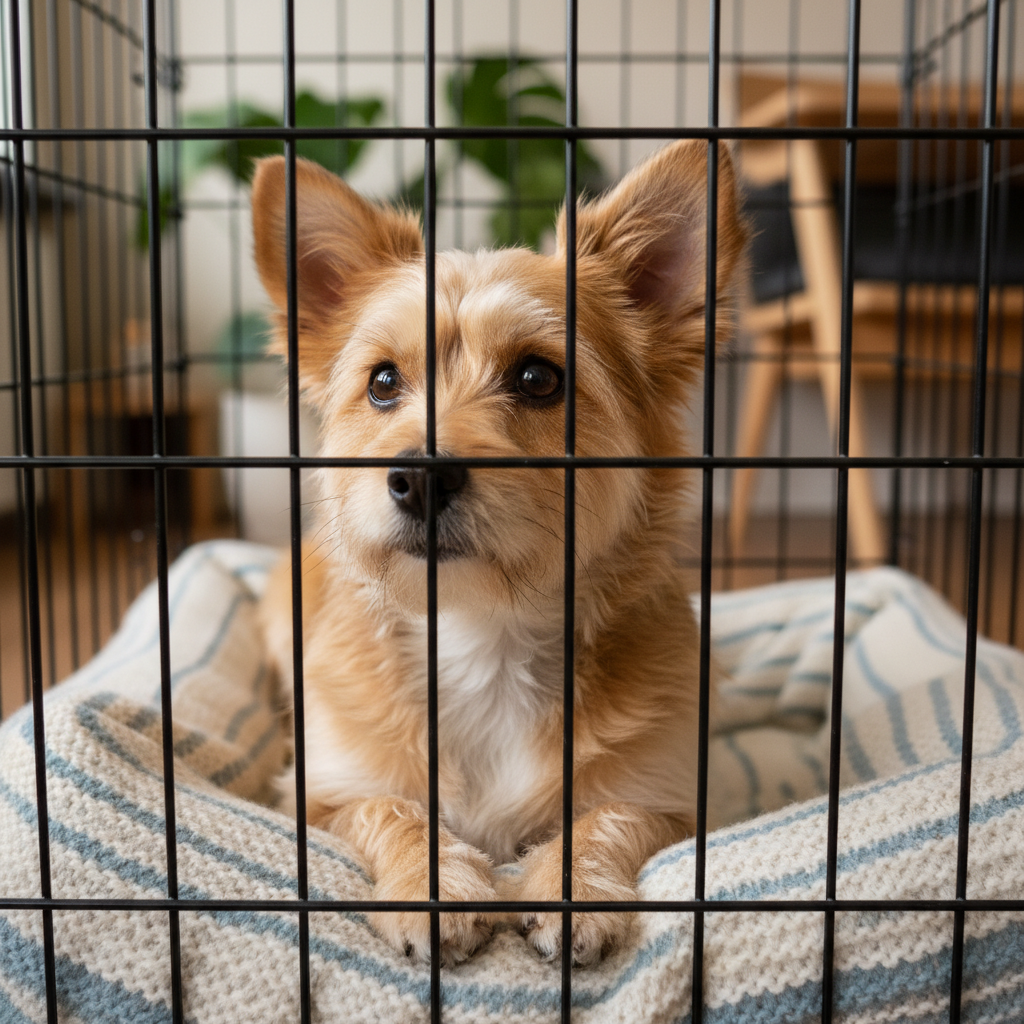
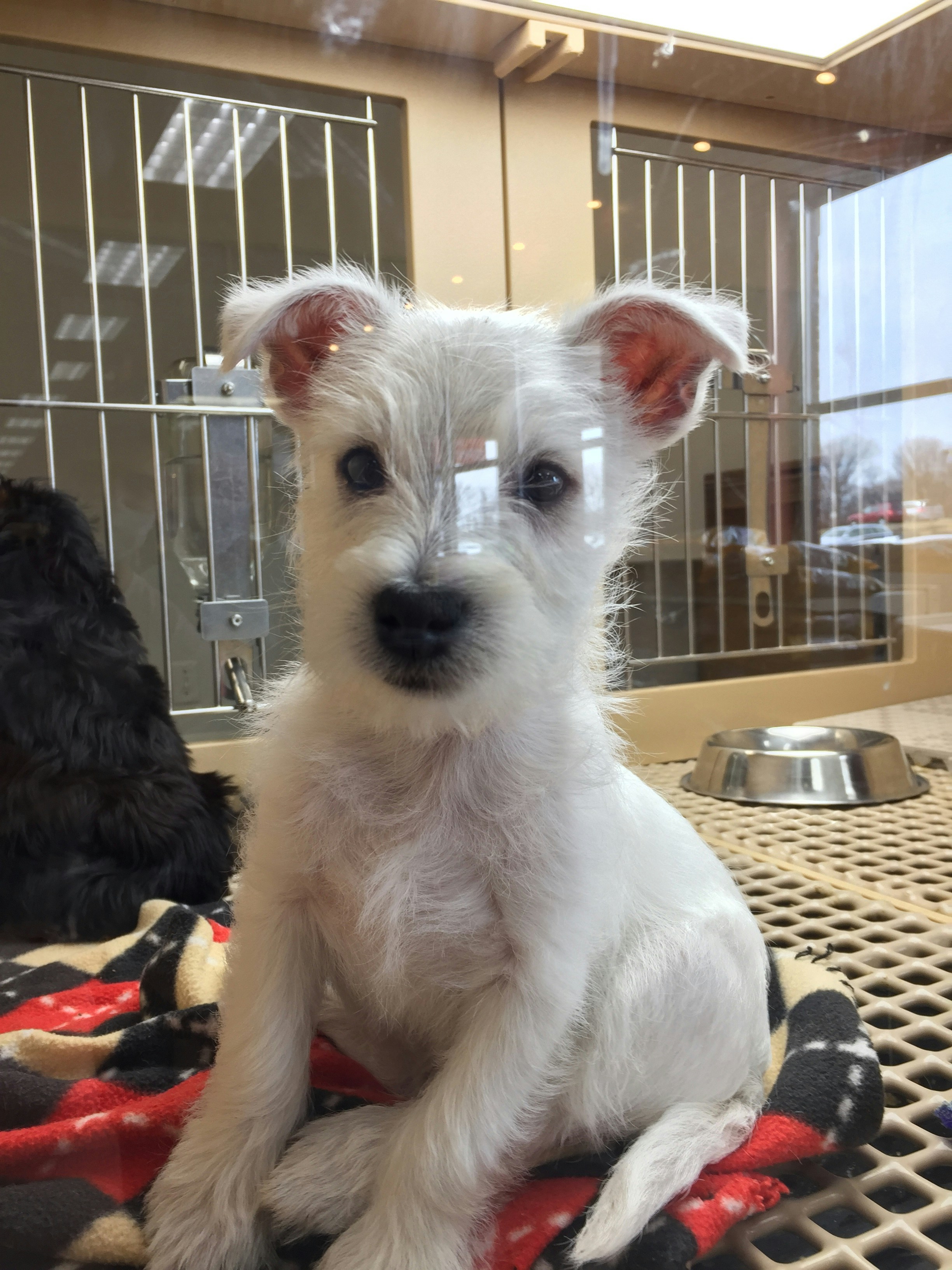
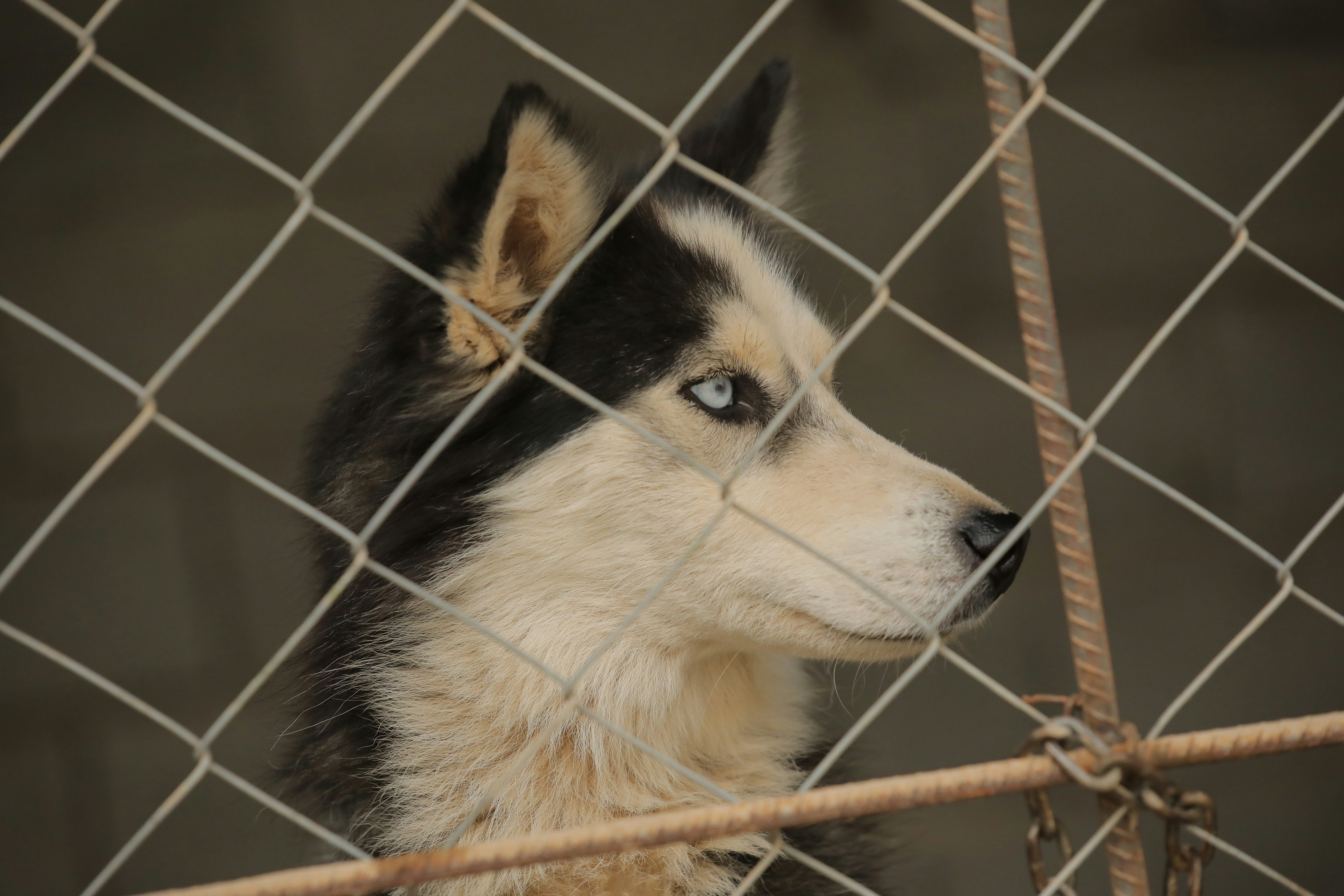
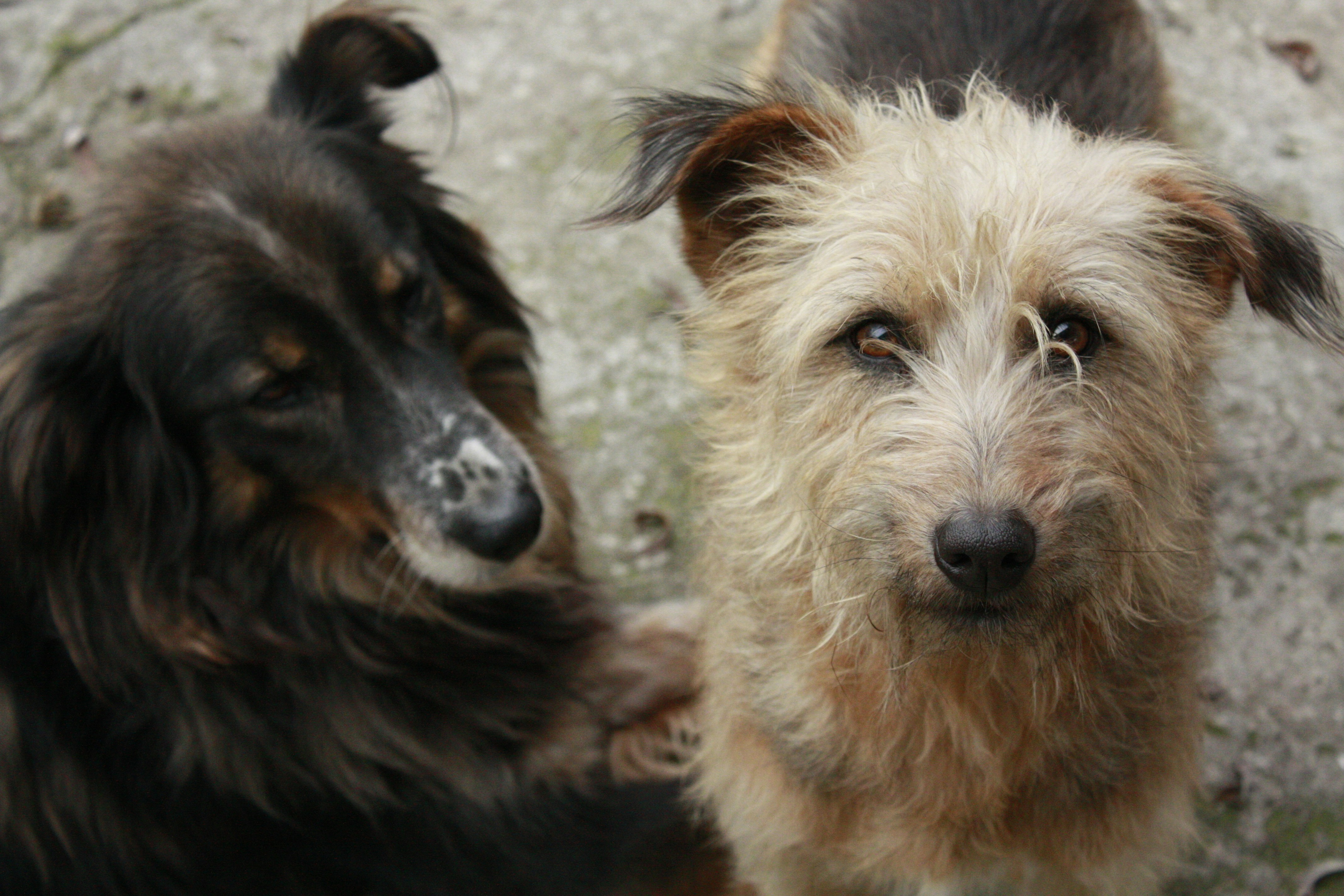
Haven started in the back lot of a municipal garage. City worker Earl Hutchins found a terrier mix tied to a parking meter in January — temperature eleven degrees. He brought her inside, named her Biscuit, and told his supervisor the city needed a place. They gave him a concrete room and a budget of forty dollars a month. Biscuit was the first resident. She was also the first adoption. The woman who took her home volunteered every Saturday for the next nineteen years.
"It wasn't a shelter. It was a room with a dog in it and a man who refused to look away."
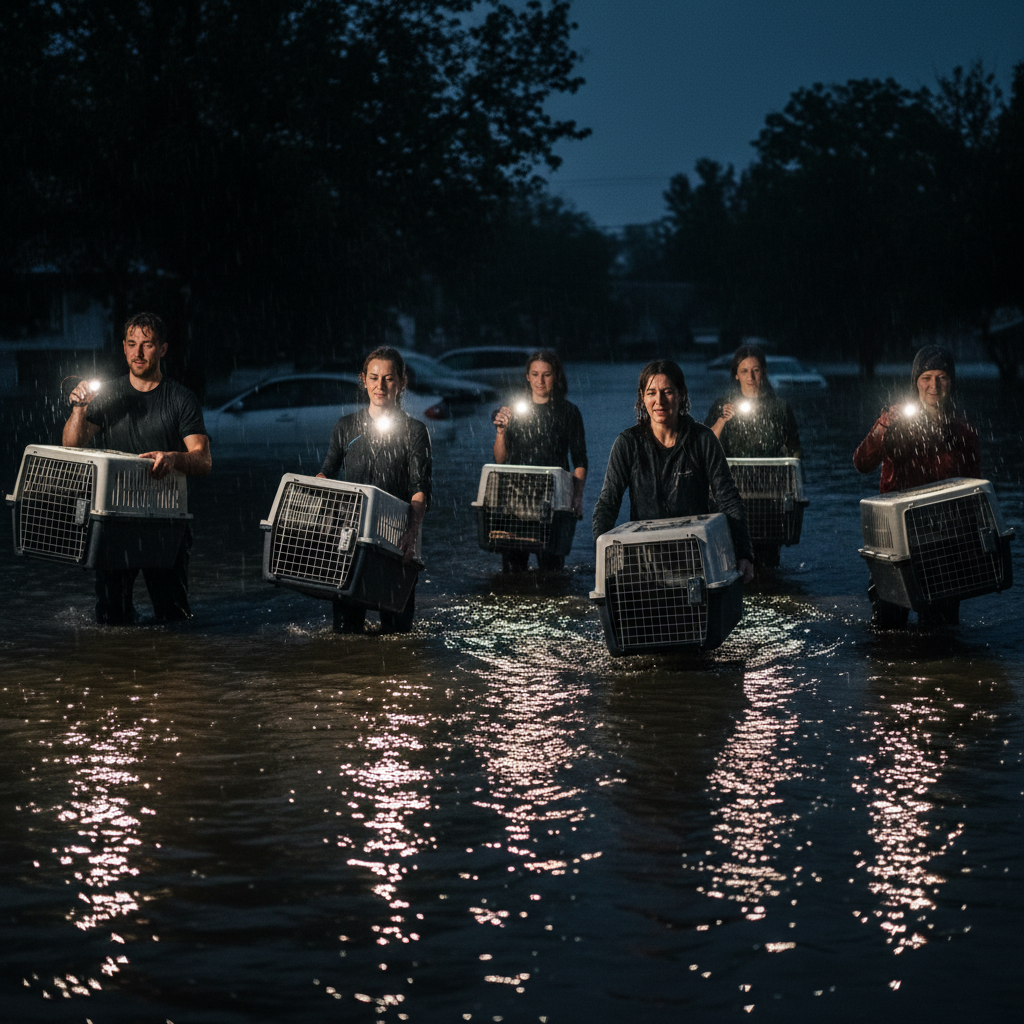
The river came up two feet in four hours. Not a single animal was lost.
August 14th, 1962. The Morrow River crested its bank and Haven took on eight inches of water by midnight. Twelve volunteers, none of them trained, moved forty-three dogs and nineteen cats to the second floor of the VFW hall three blocks away. They worked in the dark with flashlights and borrowed crates. The last animal — a three-legged shepherd named Corporal — was carried out at 3:47 in the morning by a seventeen-year-old named Donna Reyes. Donna is seventy-nine now. She still has a key to the building.
"We didn't save them because we were heroes. We saved them because they were there and we were there."
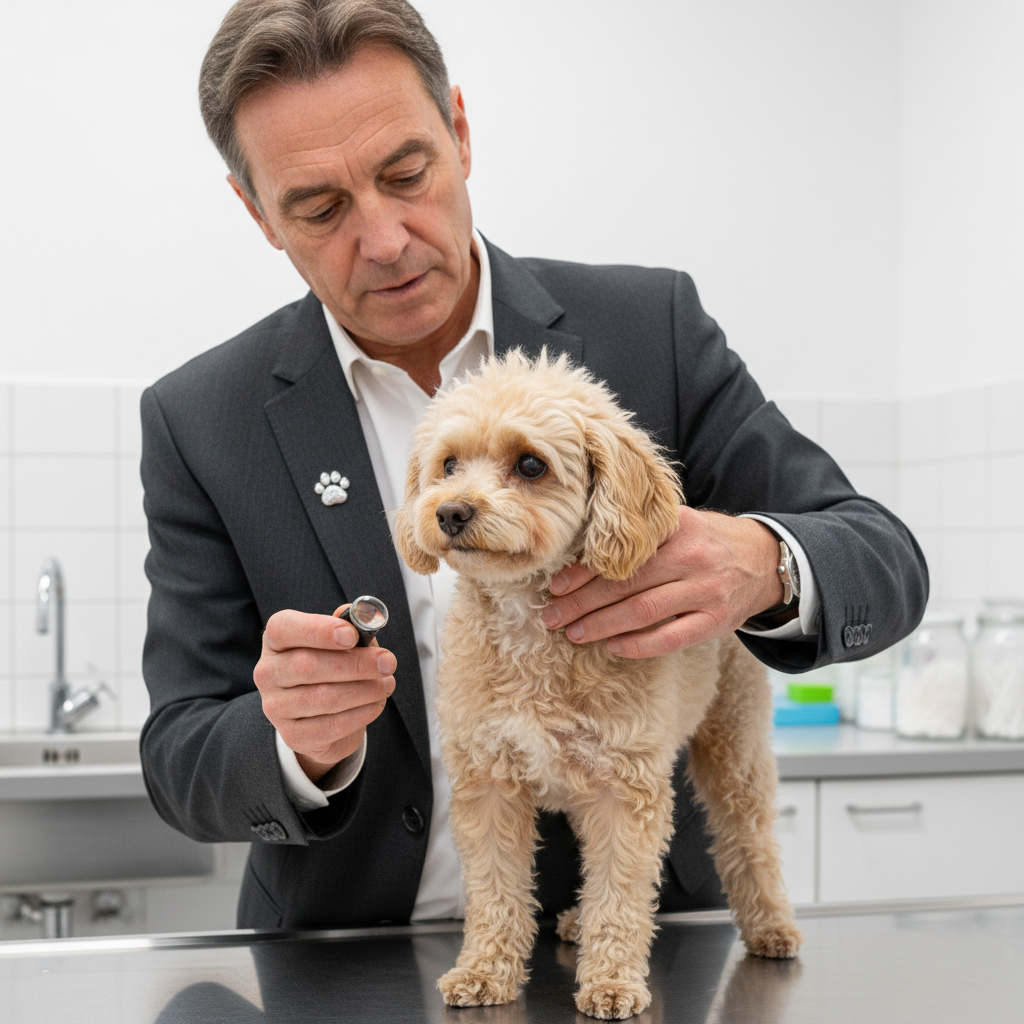
Dr. Marcia Osei worked the first year for free. She never stopped coming.
For twenty-four years Haven relied on veterinarians who donated time when they could. In 1978, Dr. Marcia Osei, fresh from Ohio State, offered to work full-time at half the going rate. The city couldn't afford even that. She took the other half as a tax write-off and kept her private practice on weekends. She performed the first spay surgeries Haven ever offered free of charge. By 1985 the program had prevented an estimated 4,000 unwanted litters. Dr. Osei retired in 2003. Her daughter joined the staff in 2004.

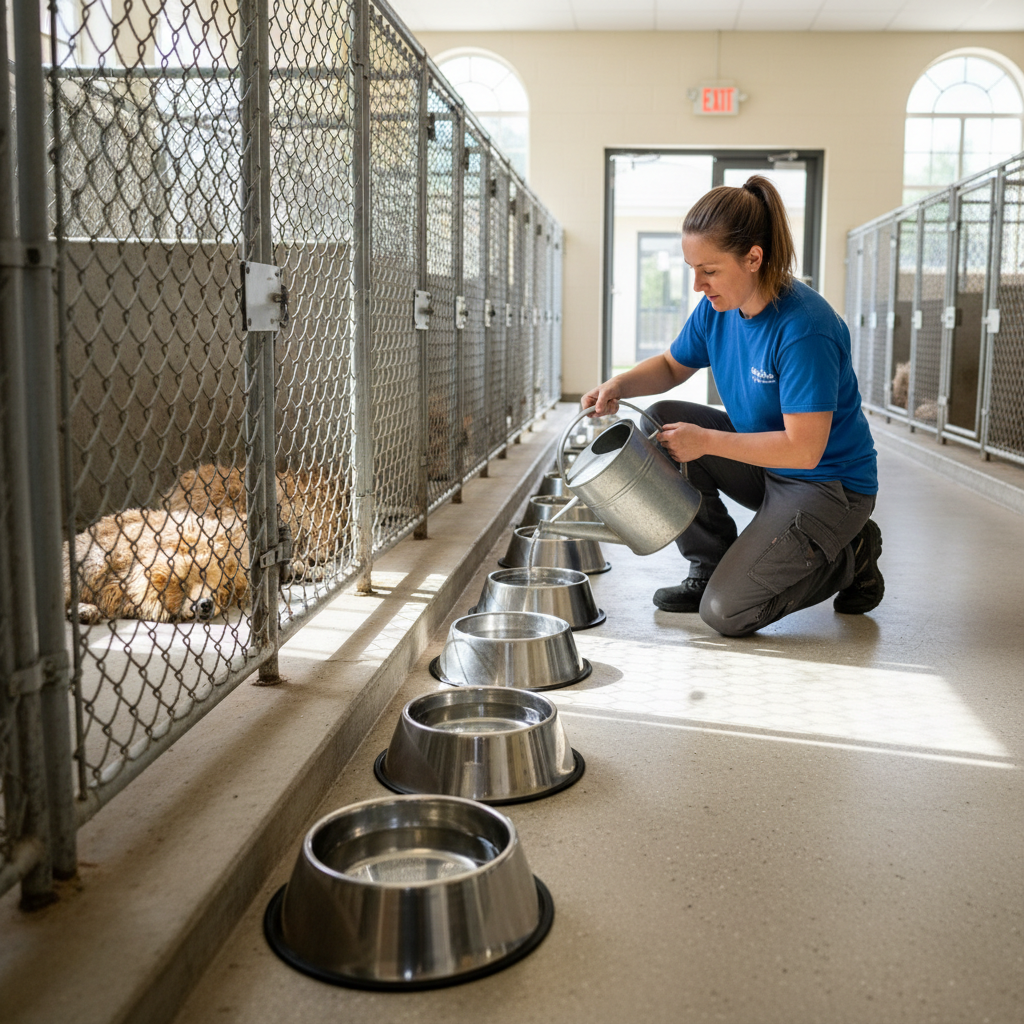
Forty-one kennels. Sixty-three animals. Volunteers took the rest home.
A rural property seizure brought sixty-three animals to Haven's door on a Tuesday night in November. Haven had forty-one kennels. Staff called every volunteer on the list. By midnight, twenty-two animals were sleeping in seventeen different homes across town — a rottweiler in a studio apartment, four cats in a garage, two beagles under a kitchen table. Every single one was back by 8 a.m. Every single one found a permanent home within six weeks. That night became the unofficial birthday of Haven's foster network, which now places over 300 animals per year.
"There's no manual for this. You just do what the animal needs."
Seventy years of showing up.
Here's what that looks like in numbers.
Years Without Closing
Every single day since January 1954
Animals Placed Last Year
Dogs, cats, rabbits, and one very stubborn goat
Foster Placements
Homes that opened their doors when we ran out of kennels
Live Release Rate
Among the highest of any municipal shelter in the state
Active Volunteers
Including six who have been here longer than 15 years
Free Spay/Neuters Since '78
Preventing an estimated 90,000 unwanted litters
Data reflects fiscal year 2025. Haven is a 501(c)(3) nonprofit. EIN 38-2041947.
The door has been open
for seventy years.
Help us keep it that way.
Haven runs on a municipal budget that hasn't grown with the city, and a community that has. Every dollar goes directly to animal care — food, medicine, surgeries, and the overnight shifts no one posts about.
100% of donations fund direct animal care
Secure processing · No account required
Tax-deductible receipt sent automatically
What others are giving
Give Time Instead
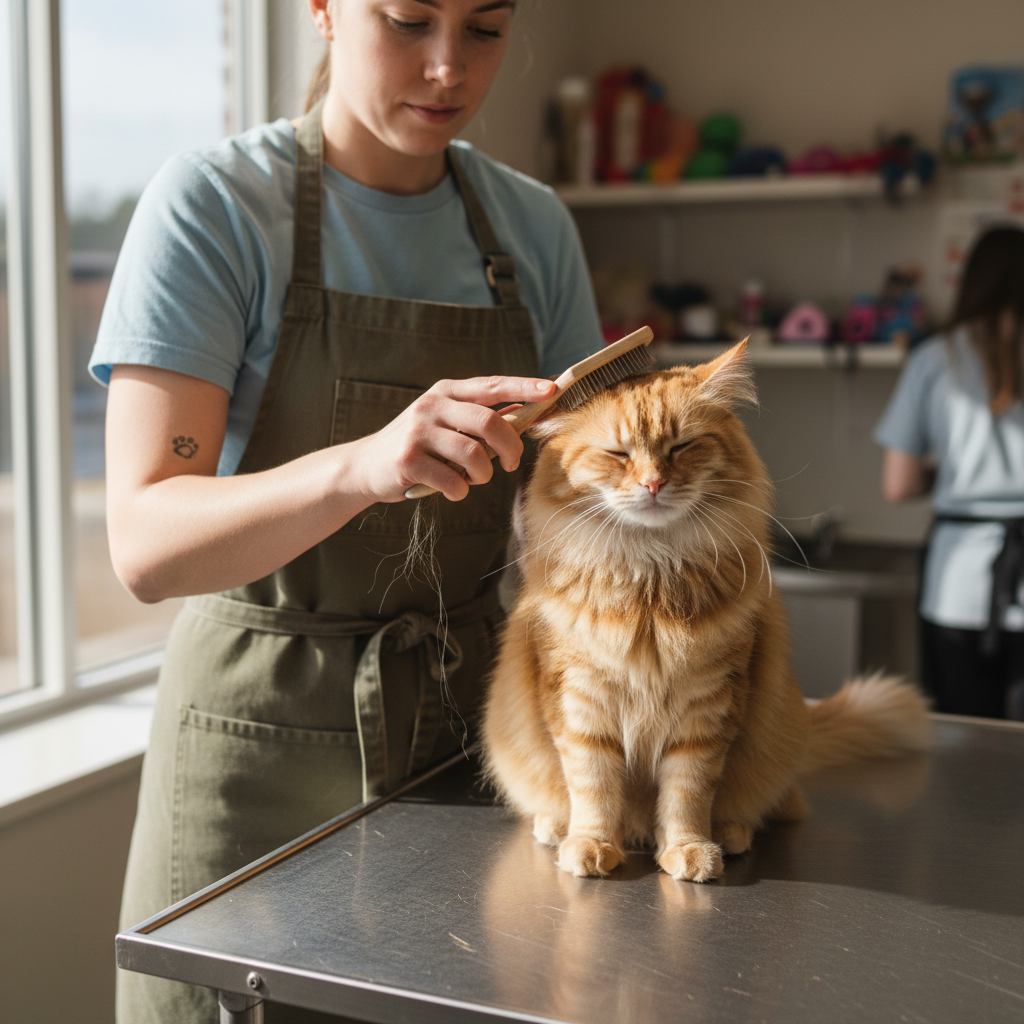
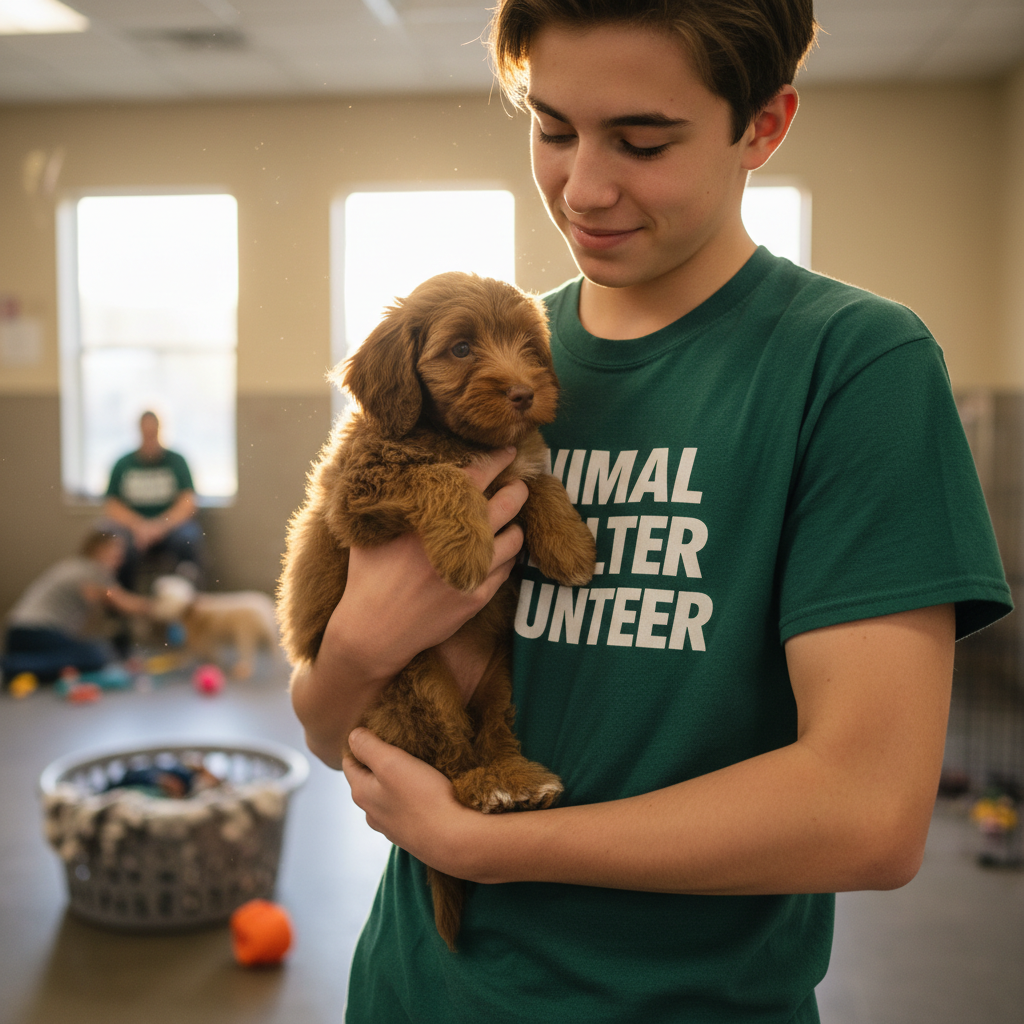
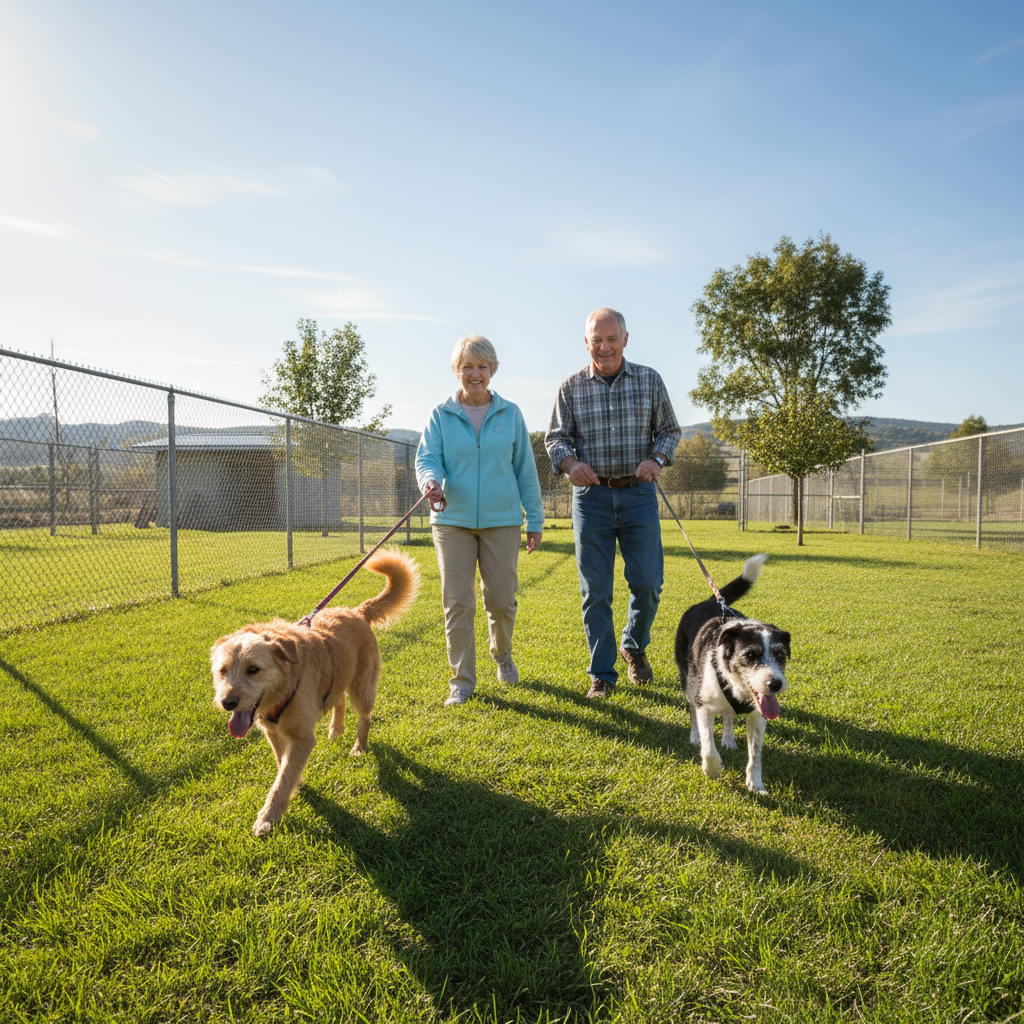
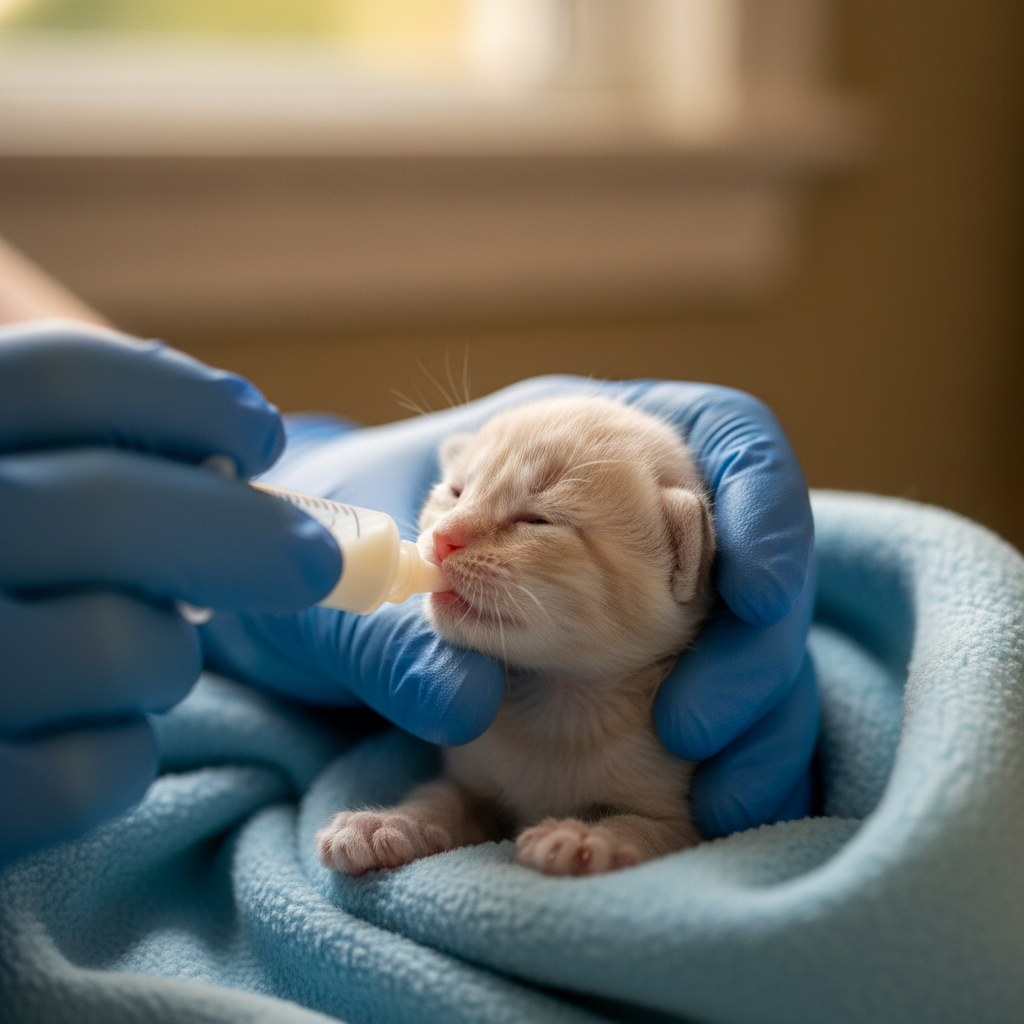
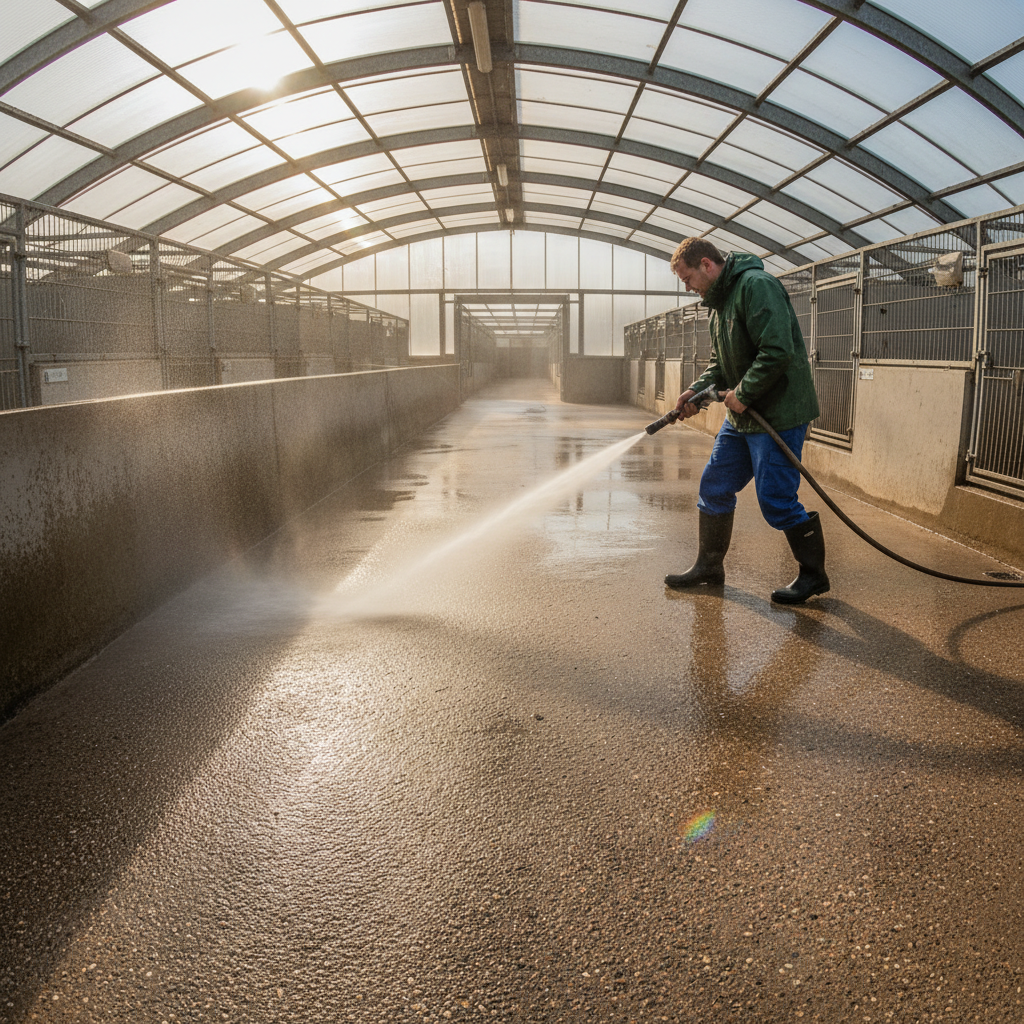
Haven has always run on people who showed up. Retired nurses pulling overnight shifts. Teenagers who started logging hours for school credit and never left. Municipal workers who stay two hours after their shift ends.
We need dog walkers, cat socializers, overnight monitors, drivers, and people who are good at spreadsheets. No experience required. Stubbornness and love are the only prerequisites.